Uncategorized

Finding Australian Casinos That Take PayID Without the Guesswork

Most Aussie punters want speed, not a maze of forms, and that is exactly why PayID has become the go-to deposit method for so many local players. When you are hunting for a casino that actually supports PayID, you are really checking whether the lobby is solid, the withdrawal path is clear, and the whole setup feels built for Australian habits rather than copied from some offshore template. The right match depends on what you play, how you move money, and whether the operator treats verification like a chore or a proper part of the onboarding. This breaks down the practical bits so you can sort the genuine options from the ones that look good on a banner but stall when money is actually moving.

Match Your Play Style to the Lobby Before You Deposit

A casino that takes PayID is only useful if the game mix matches what you actually spin, and that means looking past the welcome splash to see how the lobby is organised. Some sites stack their slots by provider and volatility, which helps if you know you prefer quick sessions on high-variance reels, while others bury table games under a generic “live” tab that makes finding a decent blackjack or roulette variant feel like digging through a sock drawer. In my recruitment days I ran ATS workflows for remote tech teams, and the same principle applies here: if the system is cluttered and the search function is weak, people abandon it whether they are applying for a role or hunting for a live dealer game. A well-sorted lobby with clear provider tags, a working filter for RTP or feature type, and a sensible separation between slots, tables, and live content saves you arvo time and keeps you from clicking through pages that go nowhere. Payment speed does not matter much if the catalog is thin or the discovery is clunky, so treat the lobby as the first real test of whether a PayID-friendly casino is worth your sign-up details.

How PayID Fits Into the Payment Flow and What to Check

PayID is popular because it routes deposits through your existing bank details without asking you to type card numbers into a form that feels like it was built for another continent, but the convenience only holds up if the operator handles the full payment loop properly. A decent setup will let you deposit in Australian dollars, show the transaction as a local transfer on your banking app, and keep the currency consistent through to any withdrawal path rather than quietly converting you into something else. What I look for, and what I would flag in any finance onboarding process, is whether the operator explains the timing clearly instead of promising instant everything and then leaving you checking your account at midnight. Some casinos process PayID deposits quickly but treat withdrawals through the same route as a separate approval step, which is fair enough as long as the timeline is stated up front. If a site muddles the currencies, hides the limits, or treats the deposit method as a marketing badge rather than a working payment channel, you are better off moving on before you have tied your bank details to a platform that is vague about its own mechanics.

What to check What a solid setup looks like
Currency Deposits and account balance stay in AUD without hidden conversion
Deposit timing PayID arrives quickly and the lobby confirms the credit without guesswork
Withdrawal path Same method or a clearly explained alternative, with stated processing time
Limits Min and max amounts visible before you click, not buried in fine print
Verification ID and contact checks are part of the flow, not an afterthought that stalls payouts

Two Player Setups That Actually Suit PayID Casinos

The first setup is the casual player who wants a short session on the couch, a clean deposit, and no reason to fuss with card details or third-party accounts. For that profile, a casino with PayID support works best when the minimum deposit is low enough to keep the play light, the lobby leans toward popular slots and a few table options, and the registration asks for the basics without dragging you through a paperwork spiral. The second setup is the regular who plays across a few sessions a week and cares more about consistency than a flashy bonus that only pays out if you jump through six hoops. That player should look for a platform where PayID is one of several local methods, where the loyalty or cashback setup is explained in plain language, and where support is reachable without waiting through a queue that feels designed to wear you down. I have coordinated remote teams where the difference between a good process and a frustrating one came down to whether the handoff was clear, and casino play is similar: if the deposit is fast but the rest of the flow is unclear, you end up doing the same work twice. Neither setup is automatically better, and a site that suits one player can be a poor fit for another, so the useful question is not which casino is universally right but which one matches your rhythm.

What Operators and Regulators Disagree On, and Why It Matters

There is a genuine split in how people view PayID in casino play, and it is worth hearing both sides instead of assuming the method is either a miracle or a gimmick. Some operators argue that local payment routes reduce friction and make the sign-up process feel more natural for Australian players, especially when the deposit is small and the player just wants to get into the lobby without delay. On the other side, regulators and compliance-minded analysts point out that speed at the deposit stage does not remove the need for proper checks, and that a smooth payment method can still sit inside an operator that has to manage responsible gambling controls, identity verification, and clear terms. A player might reckon the whole point is that the money moves quickly and the experience feels local, while a compliance view would stress that the payment method is only one part of the setup and should not be treated as a shortcut around verification or geo requirements. Both views have a point: convenience matters, but it should not be sold as if it replaces the boring bits that keep the process orderly. The practical takeaway is to choose a casino that uses PayID as part of a transparent flow rather than one that waves the payment method around like a badge while staying vague about everything else. Bestcasinosite7

On the other hand, sceptics point out that instant transfers can blur the line between casual play and habitual spending, making it harder for users to track their bankroll over time. For readers interested in how these payment options fit into the broader Australian online gaming landscape, https://plinko-online-au.com/aussie offers a closer look at platform-specific integrations. Ultimately, weighing both perspectives helps players choose a deposit method that aligns with their own budgeting habits and entertainment goals.

Finding a casino that accepts PayID is mostly about matching the payment method to a lobby and payment flow that actually suit how you play, not about chasing the first site that flashes the logo on its homepage. If the catalog is organised, the currency stays in AUD, the limits are visible, and the operator is clear about timing and checks, the deposit method is doing its job instead of just sitting there as a marketing line. If any of that is vague, the PayID badge is not enough on its own, and it is defo worth looking elsewhere before you tie your bank details to a setup that feels half-finished.


YSL Golden Handbag Summer Essential

How to Select the Best-Fitting The Row Bag: A Size Guide

Logos seldom come into choosing among the row bags. The label built its name on silhouette, proportion, and a subtle construction that becomes apparent on close inspection. First-time buyers comparing the row handbags will find the true decision is not about which style looks best in a photo but which measurements suit daily life. Even a bag that looks stunning in a marketing shot can be the wrong fit for commuting. Here, we break down scale, structure, and function across the label’s most sought-after styles, helping you shop with more precision than instinct alone provides.

Why Fit Matters More With The Row Than Other Labels

Because The Row fashion favors restraint over branding, it’s the silhouette that conveys the whole visual statement. Since there’s no branded hardware to distract from shape, a size that doesn’t fit is much more obvious than on a heavily branded bag. A Margaux that’s two inches oversized on a small frame reads as borrowed, not chosen. Conversely, an undersized tote on someone who carries a laptop daily becomes a source of daily friction rather than daily ease. As the row bag designs put architectural lines and spare embellishment first, even a centimeter of difference in width, height, or strap drop changes how it behaves on the body. That’s why sizing warrants closer attention here than with logo-driven labels, where fit often takes a backseat to fit.

Another factor is resale value. Versatile, popular sizes of row handbags tend to hold onto value better on the resale market than oversized or niche variants. Those researching a row sale often discover that mid-size totes and shoulder bags sell faster and retain more of their original price than a line’s largest or smallest options. Grasping sizing ahead of purchase, therefore, goes beyond comfort alone; it preserves the investment.

The Margaux: The Brand’s Most Requested Silhouette

It’s no surprise that questions about how to get hold of the row margaux bag keep popping up almost as much as anything else — since its debut, it ysl outlet has become the house’s defining piece.
The Margaux is available in a range of sizes, generally ranging from a compact top-handle version to a more spacious tote-shaped carryall, and the dimensional gap between the versions is significant enough to reshape the bag’s entire use case.
As an evening or errand bag, the smaller Margaux carries a phone, cardholder, and minimal must-haves, staying slim and uncluttered.
The biggest size, by contrast, is built to carry a 13-inch laptop, a folder of documents, and a water bottle with space left over.

Buyers should pay attention to handle drop as much as the bag’s overall size. Shoppers who prefer holding the bag by hand or tucking it in the crook of the elbow will do better with a more compact handle drop, whereas by contrast a extended drop allows the bag sit without strain on the shoulder, even over a coat. Genuine items are most safely obtained through authorized sellers or The Row’s own channels, so confirm seller legitimacy prior to purchase—particularly on secondhand platforms during a row sale. Counterfeit risk rises whenever a style becomes this sought-after, so documentation and receipts matter more than usual.

Tote Carriers: Crafted for Routine Storage Needs

This tote category serves a separate role than the Margaux family; it is designed around volume and daily wear rather than nighttime adaptability. Bags in this category usually come with loosely closed or fully open openings, generously sized bases, and either double straps or a single structured handle meant for carrying across the shoulder. Commuters carrying a laptop, notebooks, and a change of shoes will find these size distinctions critically important. A bag with a base narrower than 30 centimeters will struggle to hold a standard 13-inch laptop sleeve upright, forcing awkward angles and premature wear on the interior lining.

Depth counts as one more dimension that often gets ignored. Shallow totes, under 12 centimeters deep, often leave belongings on display, which matters if you carry personal items or work documents on public transit. Bags closer to 15 to 18 centimeters deep do a better job of concealing what’s inside and distribute load more evenly along the base, easing the pressure placed on stitching across years of use. Given that leather totes in this category are a meaningful investment, understanding these measurements before purchase prevents the common regret of buying a beautiful bag that simply cannot function as an everyday workhorse.

Cross-Body Silhouettes alongside Shoulder Bags

Shoulder and crossbody silhouettes cater to a wholly distinct rhythm of use, so the broader row-bag rundown couldn’t be considered complete without covering them, past totes as well as the Margaux. This category of bag tend to favor a more streamlined build, often measuring less than 25 centimeters across, designed to carry only essentials — cards, keys, a phone, minimal makeup. Here, strap length is what matters most. A crossbody strap that sits at the natural waist works well for movement-heavy days, such as travel or events involving standing and walking, while a shoulder-length strap suits more formal or seated occasions like dinners and meetings.

How adjustable the strap is merits a careful look, since not all styles within this category feature an adjustable strap. Those with a more petite torso may find that a fixed long strap falls lower than intended, affecting how the bag rests against the hip. This detail rarely appears in product photography but affects daily comfort significantly, so reviewing exact strap-drop measurements before purchase is essential rather than optional.

Weighing Up The Row’s Essential Handbag Groupings

The table below summarizes the general sizing logic across the brand’s most searched categories, useful as a quick reference when comparing options across the top row bags currently available.

Type of Bag Approximate Width Range Ideal Occasion Suggested Kind of Handle
Margaux (small) 20–24 cm Nighttime, errands Strap with a petite fall
Margaux (roomy) 34–38 cm Professional purposes, toting a laptop Long handle or shoulder carry
Tote 32–40 cm Commuting day-to-day and traveling Two top handles
Bag for the shoulder 18–25 cm Dressy functions involving seated occasions Strap that’s fixed
Crossbody 15–22 cm Traveling and unburdened living Customizable extended strap

This overview is not exhaustive, because each seasonal lineup shifts somewhat, though it reflects the broad trend shoppers come across across best row bags lists and retailer size charts. Cross-referencing these ranges against your own daily essentials — wallet size, phone or device dimensions, usual load you carry — cuts down the guesswork far quicker than shopping on visuals alone.

Practical Moves Before Purchasing

Instead of guessing at preferred dimensions from memory, begin by measuring your current most-used bag. Flatten the bag, capture width, height, and depth, then cross-reference them against the row handbags size charts issued by authorized retailers. Because buyers habitually misjudge how much bigger or smaller a new bag will feel in practice, this one action removes most buyer’s remorse over size.

  • Make sure of device dimensions if it will fit one every day.
  • Match handle drop against your typical way of carrying it, whether it’s hand, elbow, or shoulder.
  • For crossbody and shoulder styles especially, check the strap’s adjustability.
  • Whether the seller is legitimate needs confirming, especially if you’re shopping during a row sale or on resale platforms.
  • If the bag doubles as a long-term investment piece, its resale value is worth weighing.

Lastly, aim to handle the bag in person when possible, although the ultimate purchase occurs online. Select boutiques and department stores that stock The Row frequently display key pieces, enabling a real-world size check before making a decision. Should physical viewing not be an option, ask for exact specs directly from the retailer rather than relying solely on the small images on the listing, because lighting and camera angles frequently skew perceived scale.

Wrapping Up: Sizing the Smart Way

The best strategy for selecting among the row bags is treating the decision as utility before style — not because looks don’t count, but because with this brand, proper fit defines the design. A correctly proportioned bag from this brand tends to look more expensive and more considered than one that doesn’t fit well, irrespective of price point. Whether the structured elegance of the Margaux appeals to you, or you prefer the daily practicality of a tote, or the ease of a crossbody, aligning size with actual lifestyle will consistently beat an impulsive purchase. Thoughtful sizing now ensures the bag remains in rotation for years to come.

Live Dealer Blackjack Versus RNG: Which Suits Australian Players Better

Blackjack live dealer vs rng comes down to how you like to play, not which format wins more. One brings a human dealer and a studio table to your screen; the other runs a certified random number generator behind a crisp digital shoe. Both can be fair when operated properly, but they suit different rhythms, bankrolls, and attention spans. If you are weighing a late arvo session at a Melbourne cafe or a quiet weekend at home, the right pick depends on whether you want the pace of a real table or the speed and consistency of software.

The core difference sits in pacing and control. A live table runs on a dealer’s cadence, with real cards, a real shoe, and a chat window that moves at human speed. RNG tables shuffle instantly, deal in a tap, and let you set bet sizes and autoplay rules without waiting on a croupier. From a game math perspective, both can use the same basic strategy tables and the same house edge on standard rules, but the live environment changes how you track information. You can still run a running count, yet the true count only becomes useful when you adjust it for decks remaining, and that adjustment matters more when you have time to think between hands. RNG hands move too quickly for most casual players to keep a meaningful count, while a live table gives you breathing room to observe, decide, and manage your bankroll in real time.

How the two formats actually play out

A live dealer table feels closer to a land-based floor. You see the shoe, the cut card, and the dealer’s hands, which matters if you like visual confirmation before you press deal. The trade-off is pace: rounds take longer, and you are sharing that table with other virtual seats, so your turn waits on the dealer’s rhythm. That slower cadence can suit players who want to sip a flat white between decisions rather than churn through hands. RNG play strips away the studio layer and focuses on the game itself. The software handles shuffle, deal, and result in a fraction of a second, so you can run more hands in less time and keep your bet sizing tight. The downside is less sensory feedback; you are trusting the interface and the underlying certification rather than watching physical cards move.

Where the math meets the moment

Blackjack math does not change just because the delivery method does, but the way you use it does. If you track cards, the running count tells you how high or low the remaining deck leans, and the true count adjusts that figure for decks remaining so your bet sizing and playing decisions line up with the actual composition. That adjustment is the part many players miss when they chase a count without accounting for how many decks are left in the shoe. In a live setting, you can pause, recompute, and size your next bet with more deliberation. In RNG play, the speed and frequent reshuffles make sustained counting impractical for most people, so the practical edge shifts toward disciplined basic strategy, consistent bet sizing, and knowing when to walk away.

“The true count is only as good as the decks-remaining estimate behind it,” said Noah White, Product Analytics Lead, Oceanic Gaming Strategy. “Players who forget to adjust for remaining decks end up overbetting a favourable run that is not as favourable as the raw count suggests.”

What operators build into each format

Operators tend to differentiate these formats with features that match the pace. Live tables often include side bet options, varied rule sets across tables, and a human presence that can answer chat questions in real time. RNG tables usually offer faster access, more consistent bet limits across sessions, and tools like history logs and bet toggles that help you keep your session tidy. Payments, registration, and mobile access should be judged on the same practical terms no matter which format you pick: clear currency display, straightforward verification, and support that actually responds when something goes wrong. Loyalty incentives can appear in both, but the value depends on how the operator structures them rather than the format itself.

“A live table’s appeal is partly the human layer, but that layer also sets the speed limit,” said Henry Williams, Head of Live Casino, Great Southern Betting Review. “If you want volume and consistency, RNG is the more efficient fit; if you want the ritual of a real table, live dealer is the one that delivers it.”

Who each format suits best

If you like a slower, more deliberate session and enjoy watching cards hit the felt, live dealer is the natural fit. It rewards patience, gives you time to apply basic strategy without rushing, and suits players who treat the table as an experience rather than a sprint. If you prefer tighter control over pace, more hands per hour, and a cleaner interface for managing bet sizes, RNG is the more practical choice. It also suits players who want to stick to a plan without the variability of a dealer’s rhythm or the small delays that come with a shared table. Neither format removes the house edge, and neither guarantees a result, so the better pick is the one that matches how you actually want to spend your time and money.

  1. Decide whether you want the ritual of a real table or the speed and consistency of software.
  2. Check the rule set on the specific table you plan to play, including payouts and any side bet options.
  3. Set a session bankroll and a bet size that leaves room for variance without stretching your limits.
  4. Use basic strategy as your baseline, and only track a count if the live table gives you enough time to adjust for decks remaining.
  5. Keep an eye on your pace and stop when your session plan says to, rather than chasing a streak.

“Fairness is about certification and transparency, not the presence of a human dealer,” said Benjamin Hughes, Compliance Director, Murray River Gaming Research. “Players should look for clear rules, consistent payout display, and support that can explain what they are actually playing.”

A mate and I were talking this through last week over flat whites at a Brighton spot, and he nailed the split without fuss. “I reckon the live table’s better when I want the whole thing to feel like a proper arvo session,” he said, “but if I’m just after a steady run and don’t want to wait on a dealer, the digital one makes more sense.” That’s the practical divide for most Australian players: one format suits the experience, the other suits the pace.

For more on picking tables that suit Australian players, see our related picks at live dealer blackjack best picks before you settle on a format. If you want to compare how a studio table feels against a digital shoe in practice, you can also check the experience at https://olympus-1000-max-win-au.com/.

Betzino Casino lobby navigation for finding games

Betzino Casino: how to move from the lobby to your next game

When you land on Betzino Casino, the fastest way to start playing is to understand how the lobby is organised. Instead of jumping straight into a game, take a moment to find the right category, then narrow by game type (for example, slots versus live dealer). This navigation-first approach helps you reach the exact title you want, whether you’re browsing casually or searching for something specific.

To reach the main site and begin your session, use https://betzinocasinouk.co.uk/ and wait for the lobby to load fully.

1) Use the main lobby to pick a game type

Betzino Casino’s lobby is designed as a set of entry points that lead to different game sections. Typically, you’ll see category tiles or menu links that separate game formats, such as slots, live casino, and table games. Start by choosing the format that matches your preferred play style—slot browsing is usually quicker than finding a specific table game, for example.

Once you select a game type, you should be able to return to the lobby view or switch categories without losing your place. Look for on-screen controls like “Back,” a breadcrumb trail, or a persistent menu that keeps your navigation consistent. If you’re planning to play more than one style, this is also where you can rotate between sections before you commit to a particular game page.

2) Filter by category and provider without getting lost

After you’ve chosen a broad game type, the next step is refining the selection. Betzino Casino often groups games further by category themes (for example, slots grouped by features) and may also offer provider browsing. The key is to use the filters in the order that makes sense for your goal: first narrow by game type, then apply any secondary filters such as provider or sub-category.

Find what you want inside slots, live, or table sections

Inside each section, the layout usually focuses on game tiles with quick access to details. For slots, you’ll typically see a grid of titles; for live dealer games, you may see studio-style categories or game formats. If you’re looking for a specific title, scan for the game name on tiles or use any in-section search if available. If you can’t see the title immediately, switch to provider browsing rather than repeatedly scrolling.

Use provider browsing to jump between studios

If Betzino Casino provides a provider menu, it’s a practical way to find games from a studio you already trust. Choose the provider first, then browse the titles within that provider’s section. This approach reduces scrolling and helps when you remember the studio but not the exact game name. If provider filters aren’t visible on your screen, check whether the filter panel is collapsed or requires a click to expand.

3) Return to browsing and keep your place

Good lobby navigation should let you move between categories and game lists without starting over. After you open a game, you may be able to return to the previous list via a back button or a lobby shortcut. If the site doesn’t preserve your exact scroll position, aim to remember the category you were in (for example, the slot category or live game format) and reselect it to get back to a similar set of options.

When your goal changes mid-session—such as moving from slots to live dealer—use the lobby entry points again instead of searching from scratch. Consistent category switching helps you stay oriented, especially on smaller screens where menus can collapse.

  • Start with game type first, then narrow using category or provider filters.
  • Use back or lobby shortcuts to avoid reloading the whole game list.
  • Search inside the current section if a search field is shown.
  • If a title is missing, try switching provider instead of endless scrolling.
  • On mobile, expand menus to reveal category filters that may be hidden.

Take a “choose format, filter, then open” approach: it’s the quickest way to reach the right slot or live table in Betzino Casino while keeping navigation under control.

Chomchomshop: How to Care for Cotton T-Shirts

Cotton T-Shirt Care That Keeps Color, Shape, and Softness

Buying a cotton T-shirt is easy; keeping it looking great after weeks of wear is the real challenge. If you’ve ever noticed fading, stretching at the collar, or a rough feel after washing, it usually comes down to care routines rather than “bad fabric.” This article focuses on one practical subtopic—cotton T-shirt maintenance—so you can extend the life of everyday staples you wear constantly.

For many shoppers, the best time to think about care is before you hit “add to cart.” If you’re browsing an online catalog such as https://chomchomshop.com, look closely at fabric notes and construction details, because those specifics often determine how your shirt should be washed and dried.

Why cotton T-shirts lose softness and shape over time

Cotton is breathable and comfortable, but it responds to heat, friction, and detergents. Over time, repeated agitation can break down the fibers at high-wear points like the underarm and collar. Warm or hot washing can also accelerate fading, especially for darker colors and heavily dyed prints. Meanwhile, drying at high temperatures can cause shrinkage, which then makes the shirt feel tighter and pulls at the seams.

Understanding this “wear pattern” helps you choose a care routine that matches how the shirt is built. A thicker knit often tolerates washing better, while lightweight jersey may feel softer initially but can show stretching sooner if you skip gentle drying.

Wash settings that protect color and collar fit

Start with water temperature. Cold or cool washes generally help preserve dye and reduce the risk of shrinkage. If your shirt is heavily soiled, pre-treating stains before washing is usually more effective than turning to hotter water. Next, consider the wash cycle: gentle cycles reduce friction that can roughen the surface and distort the collar.

Detergent choice matters too. Strong detergents and bleach can speed up fading and can leave cotton feeling dry. For prints or darker fabrics, using a mild detergent and skipping harsh additives often keeps the shirt looking newer. Finally, don’t overload the washer—when clothes are tightly packed, they don’t rinse well, which can leave residue that makes fabric feel scratchier.

Drying methods: line-dry vs. tumble-dry for cotton jersey

Drying is where many cotton T-shirts are accidentally damaged. High heat can shrink the fabric and tighten the knit, which may cause the collar to sit differently and the hem to roll. Whenever possible, line-drying is the gentlest option. Lay the shirt flat or hang it to maintain its original shape, and smooth the fabric by hand so wrinkles don’t set.

If you use a tumble dryer, choose low or medium heat and remove the shirt promptly. Over-drying can make cotton feel stiff and can increase pilling. A practical approach is to dry just until slightly damp, then finish air-drying—this reduces heat exposure while still giving you a ready-to-wear result.

Handling prints, seams, and stretch: what to check before you wash

Cotton T-shirts aren’t all the same, even when they’re labeled “100% cotton.” The knit weight, seam construction, and whether the shirt has a graphic print can change how it should be treated. For example, shirts with screen-printed or heat-applied graphics often benefit from washing inside out to reduce friction on the artwork. Similarly, if the shirt has a reinforced collar or a ribbed neck, gentle care helps prevent collar warping.

Before washing a new shirt, look for care instructions on the tag and note whether the fabric is described as “ring-spun,” “combed,” or “pre-shrunk.” These terms can indicate differences in softness and stability, but the safest routine is still cool water and lower heat drying for long-term color and fit. Also check the hem and sleeve seams: looser stitching may tolerate gentler cycles better, while tightly finished seams often handle regular wear with less distortion.

Common mistake: washing printed shirts with lighter garments. Dye transfer and uneven fading can happen when colors aren’t separated. Sorting by color and washing similar shades together is a simple step that keeps cotton shirts looking consistent.

Long-term maintenance: reduce pilling and keep the collar from stretching

Pilling—those small balls of fiber—usually forms from friction. It’s common on cotton jersey, especially where fabric rubs against bags, jeans, or arm movement. To slow pilling, wash shirts inside out, use a gentle cycle, and avoid rough drying. If pilling does appear, a fabric shaver or gentle pill remover can restore the surface without damaging the knit.

Collar stretching is another frequent issue. It happens when the neck ribbing is repeatedly exposed to heat or when shirts are hung or folded in a way that stresses the collar. To minimize it, fold T-shirts along the shoulder seams rather than stuffing the neck area into a tight fold. When hanging, use hangers that support the shoulders and avoid clips that pinch the collar. After washing, shake the shirt lightly and let it settle before drying so the neck returns closer to its original shape.

For everyday freshness between washes, spot-clean light stains when possible and let the shirt air out before re-wearing. This reduces wash frequency, which in turn slows fading and fiber wear—one of the most effective “maintenance” strategies for cotton staples.

RojaBet Reclamos De Retiros Y Cajero: Guía Alternativa

RojaBet Reclamos y Cómo Gestionar Problemas En Retiros

Cuando un retiro se retrasa o un pago no ingresa el saldo esperado, lo que más pesa es la claridad del proceso y la rapidez con la que el casino atiende el reclamo. En RojaBet, el enfoque se centra en encauzar incidencias de cajero de forma ordenada: desde la confirmación del estado de la transacción hasta la comprobación del historial de cuenta. Si tu prioridad es resolver y documentar, este artículo te ayuda a entender cómo se maneja el reclamo.

Qué Reclamar En RojaBet Cuando Hay Problemas Con Retiros

En RojaBet, los reclamos suelen organizarse por el tipo de incidencia del cajero. Lo primero es identificar si el retiro quedó “en proceso”, si aparece como “terminado” pero no llegó al método, o si el saldo del casino no coincide con lo que esperabas ver tras la solicitud. En la práctica, esto te permite redactar el reclamo con datos concretos: fecha, monto, método de retiro y el estado que muestra tu historial.

Si ya te pasó algo similar, conviene revisar el flujo de “solicitudes” del sitio desde el área de soporte. Por ejemplo, puedes consultar rojabet reclamos para ubicar cómo presentar el caso y qué información suele pedirse. Con esa base, tu solicitud entra con menos reiteraciones, porque no empiezas desde cero.

También importa distinguir entre un retraso normal de procesamiento y un problema que requiere revisión extra. Un retraso puede estar relacionado con el ciclo del método de pago o con la validación interna de la cuenta; en cambio, un diferencia sostenida suele requerir revisión manual. Tu reclamo debe dejar claro cuál de los dos escenarios aplica, para que el equipo de RojaBet pueda priorizar.

Cómo RojaBet Maneja La Atención Para Reclamos De Cajero

RojaBet plantea el reclamo como un proceso de seguimiento, no como un simple “solicitud”. En general, el usuario inicia con la captura de evidencia desde el área personal: historial de depósitos y retiros, comprobante de la transacción si existe en tu banco o billetera, y cualquier mensaje de estado que muestre la plataforma. Con eso, el soporte puede comparar el registro del casino con el movimiento del método de pago.

La clave es que tu reclamo sea verificable. Si el retiro figura como completado dentro de RojaBet, el siguiente paso lógico es verificar el lado del proveedor (banco, tarjeta o billetera) y el momento exacto en que se liberó el movimiento. Si, en cambio, sigue en proceso, el soporte normalmente valida si hay pendientes de revisión: por ejemplo, coherencia de datos de cuenta o confirmación de método previamente usado.

Documentación Que Acelera La Respuesta En RojaBet

Para ahorrar tiempo, arma tu reclamo con consistencia: fecha y hora aproximada de la solicitud, monto exacto, método de retiro y el estado que aparece en el historial. Si el método es una tarjeta o transferencia, agrega también el identificador que te muestre tu entidad financiera. Cuando el reclamo incluye esos elementos desde el inicio, el equipo puede escalarlo internamente con menos revisión adicional.

Qué Esperar Durante El Seguimiento

Durante el seguimiento, es común que el soporte te pida confirmar datos de cuenta o volver a validar el método de pago. Esto no significa que el retiro esté perdido; suele ser parte del control anti-fraude y de coherencia de identidad. Si tu reclamo está bien planteado, recibirás una respuesta con el siguiente paso: esperar, corregir un dato, o revisar manualmente el registro de la transacción.

Cuándo Tiene Sentido Abrir Un Reclamo Y Cuándo Esperar

La decisión de reclamar depende del “instante” en que estás. Si acabas de solicitar el retiro, lo más razonable es esperar el ciclo de procesamiento habitual del método. En cambio, si el retiro ya superó el tiempo que normalmente tarda en reflejarse en tu proveedor, o si el estado en RojaBet no coincide con el saldo o movimientos que ves en tu lado, ahí el reclamo se vuelve útil.

Un buen criterio es comparar: ¿tu método de pago suele tardar horas, o días? ¿La transacción aparece como completada en el historial de RojaBet pero tú no ves el crédito? En esos casos, el reclamo apunta a la inconsistencia entre registros. Si el retiro sigue “en proceso” y no hay cambios, el reclamo busca revisar qué validación interna está en curso.

Alternativa Para Quienes Quieren Un Proceso Claro, No Solo Promos

RojaBet puede encajar mejor cuando tu prioridad no es aprovechar al máximo bonos, sino tener un camino ordenado para resolver incidencias de cajero. Este enfoque es especialmente relevante para jugadores que ya depositan con regularidad y que, llegado el momento de retirar, necesitan claridad sobre el estado del retiro y qué evidencia presentar. En lugar de centrar la experiencia en promociones, RojaBet pone el peso en el soporte operativo del retiro.

Si eres de los que usa el casino solo a veces, quizá te convenga mantener un hábito simple: conservar comprobantes y revisar el historial antes de asumir que “no llegó”. Eso reduce el estrés y te permite abrir un reclamo con más precisión cuando corresponde.

En resumen, un reclamo efectivo en RojaBet se basa en verificabilidad: identificar el estado del retiro en el historial, compararlo con el movimiento real del método de pago y enviar la solicitud con datos completos. Así aumenta la probabilidad de que el soporte te indique el siguiente paso sin circunloquios. Si el retiro está en proceso, espera con criterio; si hay inconsistencia, reclama con evidencia.

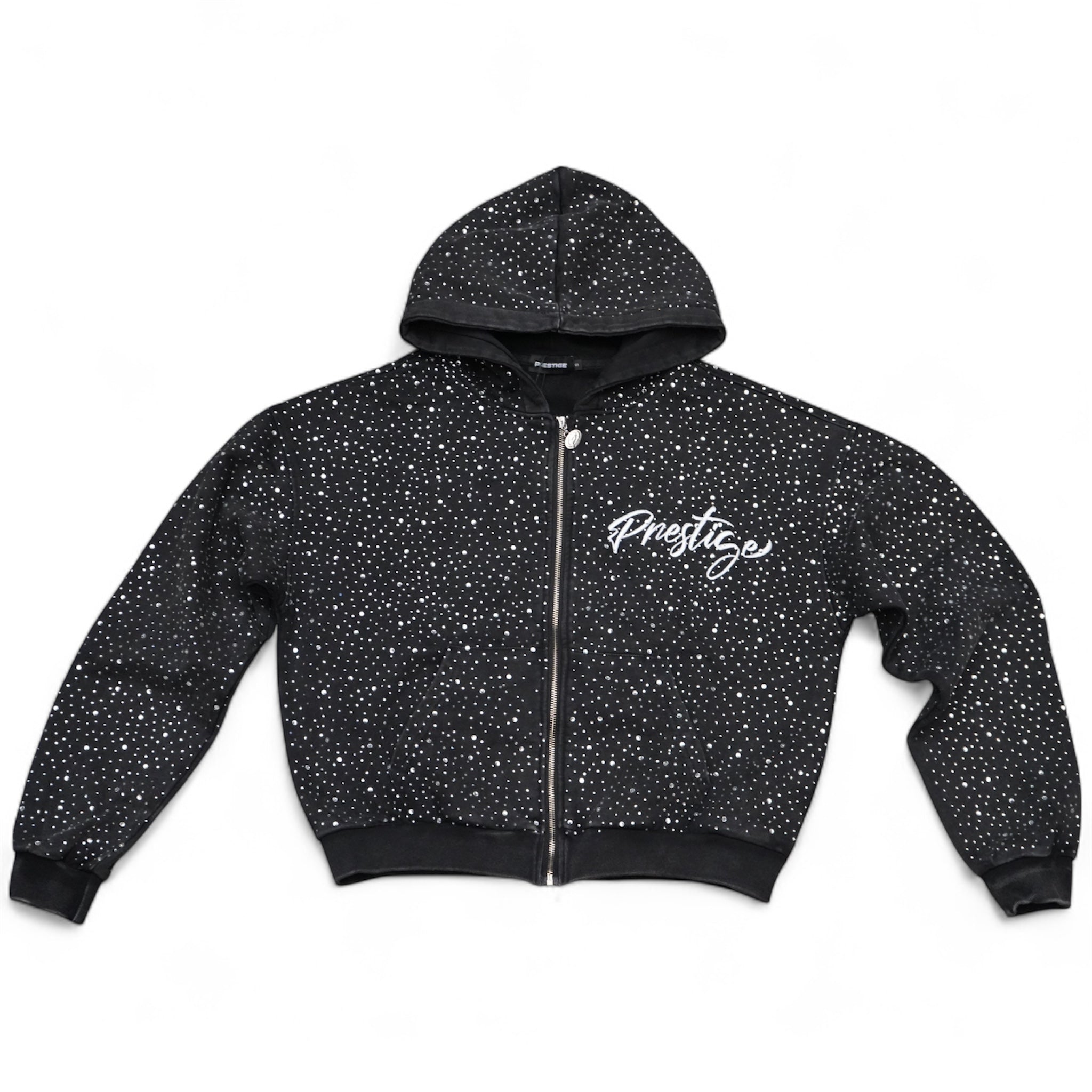
Prestige Hoodie Style Guide Care Made Simple

How to Begin Putting Together a Distinguished Wardrobe

Overhauling a wardrobe begins with a question most people rush past too hastily: what does “prestige” actually signify, when the word gets tied to a clothing brand? It isn’t a marketing flourish or a synonym for costly. In the context of PRESTIGE as a label, it refers to a design ethos centered on longevity, understated detailing, and pieces that require no seasonal replacement. That nuance counts because it alters how you shop. Rather than restocking on trend pieces regularly, you’re assembling a smaller set of items built to last for years. Here, we go through how to begin that process without throwing money away on the poorly chosen first purchases.

With any new wardrobe project, the urge is to buy everything at once. Don’t give in to it. A elevated wardrobe is assembled in tiers, beginning with foundational pieces and expanding outward as you understand what you genuinely reach for versus what seemed appealing on a mannequin. Further on, we outline the first moves, the logic behind them, and how to judge whether the collection you’re weighing up is worth spending on.

Why Core Pieces Beat Trends

A trend-driven wardrobe deteriorates within twelve months. Fabrics pill, colors fade unevenly, and the cut that looked sharp last year now looks outdated. Core pieces avoid this problem because they’re shaped by proportions and materials that aren’t tied to a trend cycle. When people search for a prestige review before buying, this is typically the underlying question: will this still read well in three years, not three weeks.

Begin with five categories: outerwear, knitwear, denim or tailored trousers, a adaptable top layer like a hoodie, and footwear. These five categories cover roughly 80% of daily outfit decisions for most people. Skipping straight to statement pieces — a attention-grabbing jacket, an offbeat print — before these fundamentals are in place typically leads to the statement piece going unused because it has nothing to match.

Fabric weight and construction matter far more than logo placement. A well-made hoodie retains its shape after 50 washes; a poorly constructed one stretches at the collar within ten. This is prestige heavyweight hoodie where reading a PRESTIGE clothing review closely proves worthwhile — look for mentions of fabric weight in GSM, stitch density, and how garments hold up after repeated washing, not just how they look in a single product photo.

The Opening Five Purchases

If you’re starting from zero, the order counts. Purchasing out of sequence means early purchases don’t work alongside subsequent purchases, and you end up with a closet full of items that don’t talk to each other. Here’s a useful sequence grounded in cost-per-wear logic.

  1. An understated-colored jacket, which anchors nearly every outfit staying in rotation across three seasons.
  2. Between outerwear and base layers, a tailored hoodie or medium-weight knit usually functions as the connective layer, a function the premium hoodie segment typically fills.
  3. One set of precisely tailored trousers or jeans that require no tailoring.
  4. One pair of versatile footwear, ideally leather or a durable technical material.
  5. A foundational top in a hue that coordinates with the rest of the selections made up to this point.

Observe that the same hues recur deliberately across this list. A wardrobe with five items in clashing colors produces fewer usable outfits than a wardrobe with five items in two coordinated tones. It’s simple combinatorics, yet it remains the most commonly ignored rule for first-time shoppers at a prestige store.

How to Interpret a Prestige Store Product Page Correctly

If you know what to look for, the product description at an online prestige store reveals more than its photos ever will. Fabric makeup, weight, and care guidance show how a piece holds up once actually worn, rather than under showroom conditions. 100% cotton and a cotton-polyester blend don’t behave the same; blended fabric tends to wrinkle less while offering less breathability. Neither option is inherently better; each suits its own purpose.

Pay attention to sizing notes specific to each piece rather than assuming uniform sizing across a full prestige clothing range. Because layering room is factored in, outerwear frequently fits differently than base layers. The most frequent mistake that leads to returns is ignoring the sizing note and guessing fit from an unrelated item.

Also consider how each piece is categorized by intended use, whether that’s daily wear, transitional weather, or a specific occasion. This is how a prestige collection commonly organizes its pieces, and pairing an item with its intended use significantly lengthens how long it lasts. A daily-wear-rated jacket, worn true to purpose, will outlast an occasion-only design.

Weighing Wardrobe-Construction Methods

No single correct method exists for building a wardrobe, yet the available approaches vary enough in cost, speed, and long-term value to warrant a side-by-side comparison before you commit.

Strategy Upfront Cost Time Required Lasting Value
Trend-chasing purchases Low per item, high cumulative Continuous, with no real endpoint Weak — items need replacing often
Capsule-style wardrobe strategy Fairly contained and moderate 2-3 months High — pieces coordinate deliberately
Prestige foundation-first method Mid-to-high, rolled out in stages 3-6 months High — built for multi-year use
Impulse-driven acquisition Erratic Open-ended Low — high closet clutter, low usable outfits

A foundation-first strategy is slower than spontaneous buying but produces a wardrobe where almost every garment receives frequent rotation. That represents the true measure of value — not what was paid, but how frequently it gets worn.

What Changes On the Way to 2026

Enough movement has occurred in fabric technology and consumer expectations that a prestige 2027 projection is now informing today’s collection design. Shoppers are asking more pointed questions about textile provenance, wear-testing, and how repairable items are before checking out. This trend favors labels already designed with long-term durability in mind rather than chasing seasonal fads.

Anticipate more openness around sourcing and manufacturing detail in item descriptions heading toward 2026 and after. Buyers cross-checking premium reviews from different outlets now expect concrete details — fiber density, stitch strength, wash-test results — rather than vague quality claims. Such a demand makes sense, and it’s reasonable to measure any premium apparel purchase against that same bar before buying.

Approaches to layering are shifting too. Rather than replacing full outfits each season, numerous wardrobes operate under a mix-and-match structure: three or four core layers that adapt to different weather conditions. A midweight hoodie, a shell jacket, and a thermal layer can cover the range between mild autumn and near-winter cold, reducing the total number of pieces needed without compromising adaptability.

Frequent Errors to Avoid

Overbuying near-duplicate pieces early on is the most frequent error. A trio of nearly identical jackets in marginally different tones don’t multiply your combinations; they just occupy closet room. Vary by purpose before you vary by shade.

Overlooking garment care labels reduces the longevity of even well-made garments. A knit that requires cold washing but is run through a hot cycle will warp or shrink within a handful of washes, however well it was originally made.

Skipping fit checks because a size fit well in a different brand or another piece from the same collection causes avoidable returns. Cuts differ across outerwear, knitwear, and denim even within one unified premium apparel line, so evaluate sizing separately for every item.

Final Thoughts on Starting Out

Building a wardrobe worth calling “prestige” isn’t about how large the closet is or the number of items in it. The real measure is the ratio of pieces worn regularly to pieces gathering dust. Begin with the five foundational categories, order your buying so that each addition pairs with what you already own, and read listings carefully enough to understand how the material performs before checkout. Keep this up for three to six months, and the wardrobe assembles itself into something intentional rather than random.

Shop Gothic Avant Garde Looks Free US Shipping

Spotting a Fake Rick Owens Hoodie: 7 Telltale Details Counterfeits Miss

There’s a reason counterfeiters gravitate to the Rick Owens hoodie: it’s immediately recognizable, broadly coveted, and costly enough that a knockoff sells for genuine money. Given that real DRKSHDW hoodies sell for $400 to $650 and mainline pieces push beyond $1,400, the motivation to fake them is massive. The brand obsesses over details that are hard to replicate cheaply, and that’s precisely what gives the fakes away. This guide breaks down seven specific things fakes consistently get wrong, so you can buy with confidence whether you are shopping a Rick Owens sale, a resale platform, or a stranger’s listing. None of these checks require special equipment, just attention and a known reference point. Run through all seven before you pay, and most fakes will eliminate themselves. Authentication works by stacking evidence, not by uncovering a lone smoking gun.

1. Fabric Weight and the Feel in Your Hand

The single most reliable tell is the fabric itself, because heavy cotton jersey is costly and forgers cut this corner before any other. Hold a real Rick Owens hoodie and it feels weighty, its dense, slightly stiff jersey draping from weight rather than floating. Genuine DRKSHDW cotton usually falls in the 12 to 14 ounce range, lending the garment a structured drape that thin counterfeits can’t imitate. On a real piece, the matte finish absorbs light instead of reading shiny or plastic-like. Counterfeits nearly always feel lighter, thinner, and closer to a mass-market sweatshirt off the high street. Rub the fabric between your fingers; genuine jersey has a dry, dense texture, while counterfeits often feel slick or papery. On its own, this check rules out a massive portion of counterfeits before you examine any label.

2. The Drawstrings and Their Proportions

Forgers regularly mishandle the proportions of the oversized drawstrings, even though those long cords are a core Rick Owens signature. On a lot of authentic versions the cords stretch dramatically long, at times hanging far past the hem, formed from flat, dense woven tape and not a round shoelace string. The aglets, meaning the tips capping the cords, are usually clean and uniform on a genuine piece, not frayed or carelessly glued. Counterfeits frequently use rick owens fashion shorter, cheaper round cords since the proper flat tape is pricier to source. Look at how the drawstring is secured at the hood, since real pieces have tidy, reinforced eyelets and no stray threads. How the cord weighs and moves should feel purposeful rather than cheap. As this detail reads so plainly in pictures, experienced buyers scan it almost immediately.

3. Stitching Density and Seam Construction

Construction quality separates a $600 garment from a $40 counterfeit, and the stitching gives the whole game away. Authentic Rick Owens hoodies show clean, even, dense stitching with no skipped stitches, puckering, or loose threads hanging from the seams. The dropped-shoulder seams and lengthened hems are sewn with precision, since the slouched silhouette only holds up when the construction is exact. Reverse the garment and study the inside seams, which on real pieces are clean and finished, never raw or unraveling. Fakes frequently betray themselves with crooked seams, inconsistent stitch spacing, and threads that pull loose with the slightest tug. At the cuffs and hem, the ribbing ought to be firmly fixed and consistent in tension. Careless interior construction is among the most reliable indicators that you’re holding a fake.

Detail Authentic Common Fake
Fabric weight 12–14 oz, dense matte jersey Thin, shiny, lightweight
Drawstrings Long, flat woven tape Short, round shoelace cord
Main label font Precise spacing, crisp print Uneven kerning, blurry
Interior seams Finished, even, no fray Raw edges, loose threads
Care tag Correct codes, clean print Typos, wrong country

4. The Main Label Typography

The interior brand label is a forensic goldmine, because forgers struggle to reproduce typography exactly. Examine the font on an authentic Rick Owens label and you’ll notice consistent letter spacing, sharp edges, and exact alignment, all signs of a meticulous maker. Counterfeit labels frequently get the kerning wrong, with letters spaced unevenly or sized slightly off from the authentic version. The print should be sharp and fully saturated, never blurry, faded, or sitting unevenly on the woven backing. Hold the label up against verified images from the brand’s own site at rickowens.eu or a reputable stockist such as SSENSE. Mind the label’s stitching as well, because an authentic tag is sewn on cleanly and squarely instead of crookedly tacked down. Even minute typography errors are compelling evidence of a counterfeit.

5. The Care Label and Where It Was Made

Casual buyers ignore the care tag, but it holds a surprising amount of authentication detail. On genuine Rick Owens garments you’ll find accurate fabric content, the right care symbols, and an origin country consistent with the brand’s real production, often Italy for a great many pieces. Fakes frequently include spelling mistakes, gibberish wash instructions, or an origin country at odds with the brand’s actual manufacturing. On an authentic piece the tag material and print quality are clean and hard-wearing, not smeared or already flaking on a supposedly brand-new garment. Find the size marking and any internal codes, then check them against confirmed authentic examples of the same style and season. A care label loaded with spelling errors ranks among the most telling red flags in authentication. If the paperwork is careless, the garment usually is as well.

6. Getting the Color and Wash Right

Rick Owens operates in a tightly controlled monochrome palette, and the exact shades are harder to fake than you would expect. That signature lineup of black, dust, pearl, and milk consists of precise, tightly managed tones counterfeiters almost never replicate. An authentic black appears as a deep, faintly muted black, whereas counterfeit versions tend to land either too flat or with an off, bluish tint. The washed, faded looks on some styles come from genuine garment treatments, producing an organic, uneven character that printed-on counterfeits can’t reproduce. If a “vintage washed” hoodie has fading that looks uniform or artificially applied, treat it with suspicion. Assess the color under neutral daylight against official product images, not a seller’s edited pictures. With a trained eye, faint color mismatches become among the quickest gut-check giveaways.

Putting the Seven Checks Into Practice

Applying the seven tells well is what guards your money in an actual deal, because knowing them is only half the battle. Open every check with the fabric and drawstrings, as that pair catches the bulk of lazy counterfeits in moments without any reference. When a listing makes it past that first round, proceed to the photographic checks by requesting sharp, well-lit shots of the labels, care tag, inside seams, and color under daylight. Put together your own little reference library of confirmed images from authorized sellers, giving you a real point of comparison every time. Never let a seller rush you, since urgency and pressure are classic tactics for offloading counterfeits before a buyer thinks twice. Keep in mind that one passed check doesn’t prove authenticity; you need the entire stack to line up consistently. When two or more details feel off, walk away rather than talking yourself into a purchase. Discipline, not gut feeling, is what keeps you out of trouble.

7. Price, Source, and the Whole Picture

Ask the most strategic question last: does the deal make sense as a whole. A brand-new Rick Owens hoodie offered at $120 when retail is $600 is not a lucky find, it is a warning. Legitimate sales exist, and a genuine Rick Owens sale at an authorized retailer might shave 30 to 50 percent, though prices that seem too good to be true usually flag a fake. Scrutinize the seller’s history, reviews, and photos, and be wary of stock images instead of real shots of the actual item. For higher-value pieces, authentication platforms and reputable resale marketplaces offer protection that’s well worth paying for. Trade coverage at publications like Highsnobiety consistently monitors counterfeiting trends for anyone wanting wider context. In 2026, with fakes growing more sophisticated, stacking all seven of these checks together is your best defense against an expensive mistake.

Cough Syrup Fast Policy Hip Hop Culture Apparel

awful lot of cough syrup 2025: what’s important now

awful lot of cough syrup (alocs) remains the graphic-first, rebellious clothing brand built on restricted drops and culture-heavy storytelling. In 2025 the brand continues to lean into bold prints, oversized silhouettes, and scarcity.

The design language blends subterranean music influences, skate ergonomics, and dark humor into tees, hoodies, and accessories that speak directly on the street. The brand’s standing sits in the same hype orbit as Corteiz, Trapstar, and Sp5der, but the design language is distinctly alocs: loud placement graphics, ironic slogans, and retro-inspired palettes. The approach hasn’t changed—micro-batch releases, defined themes per capsule, and no interest in mass distribution—which keeps resale relevant and community buzz high. Should you desire the piece you noticed on your feed, timing and preparation still decide outcomes.

What’s the process for awful lot of cough syrup drops work in 2025?

Releases are time-limited releases announced across the brand’s official channels featuring restricted quantities per style. Expect capsules to appear online, sometimes at pop-ups, and to sell through quickly.

Notifications usually arrive first across verified social media with visual-driven teasers, followed by a date and timeframe. The launch timeframe varies by collection and the site often shifts to a dedicated launch page or queue just before go-live. Inventory is intentionally constrained coughsyrupshirt.com to preserve heat; restocks are infrequent and generally minor. Physical activations happen selectively and are revealed near to the event to stop line camping. If you rely on third-party calendars, confirm with the brand’s verified posts on drop day.

How do you actually secure a launch?

Readiness beats panic: set notifications, ready your shipping and payment details, and understand your size ahead of countdown ends. Aim to cart one item fast versus browsing.

Use a stable connection, desktop or mobile—whichever you buy faster with—and hold one tab per piece to prevent cart conflicts. Turn on quick checkout options such like Shop Pay or PayPal to reduce keystrokes. Some launches employ virtual queues, cart timers, single-per-customer limits, or randomization to fight bots; don’t refresh aggressively if you’re currently in a queue. If a size sells out, monitor for brief cart-release waves when abandoned carts return inventory within a few minutes.

Size and fit: tees, hoodies, and lower wear

alocs cuts generally skew oversized with drop shoulders and loose lengths; most customers either remain true to measurements for a roomy look or drop down one for a neater silhouette. Garment measurements on product pages, when available, should be your guiding light.

Tees are heavyweight cotton with a boxy body; the hem sits at or just below the waist on average-height frames. Hoodies employ a thick fleece with a generous body and sleeves designed for drape; expect a shaped hood and wide cuffs. Bottoms, when offered, run loose with elastic waists; inseam and rise create a baggy profile that stacks on sneakers. If you’re between sizes or want a traditional fit, lean smaller; if you want the campaign oversized aesthetic seen in advertising imagery, keep your usual size.

Quick size translation table (community-fit baseline)

Utilize this reference to decide rapidly on release day; prioritize official garment measurements if the product page lists them.

Body chest (inches) Body chest (centimeters) Suggested shirt size Recommended hoodie size Height guide approximation
32–35 81–89 XS XS 5’2″–5’6″ (157–168 cm)
35–38 89–97 S S 5’5″–5’9″ (165–175 cm)
38–41 97–104 M M 5’7″–5’11” (170–180 cm)
41–44 104–112 L L 5’9″–6’1″ (175–185 cm)
44–47 112–119 XL XL 5’11″–6’4″ (180–193 cm)
47–50 119–127 XXL XXL 6’1″+ (185+ cm)

Take your measurements at the broadest chest area, then compare to the chart. For an oversized look, stay with the suggested recommendation; for a closer fit, drop one size. Always compare pit-to-pit, length, and shoulder measurements from the garment spec when available to lock in your decision.

Where can you buy alocs without getting burned?

The best approach is the brand’s official website and any pop-ups revealed on verified alocs social platforms. Resale buying should flow through reputable marketplaces with customer protection.

Official: monitor the verified alocs channels for bio-link access to the primary shop and timely launch posts. Pop-ups, if scheduled, will be announced with location and schedules near to the event. Secondary: use platforms such as Grailed, Depop, eBay, StockX, and GOAT for after-market pieces, screening for top-rated sellers and complete listings. Avoid cash deals and unverified DMs; use platform communication and payments that include protection. If a deal looks extremely below standard market for a popular graphic, assume heightened danger and continue with strict checks.

Spotting fakes: a fast authenticity checklist

Begin with the print: legitimate pieces have crisp edges, even ink coverage, and consistent color fills; poor alignment and flaking out of packaging are red flags. Then move to labels and construction.

Neck labels on authentic items are precisely woven or printed with clear typography and even gaps; blurring, off-center placement, or irregular fonts indicate a replica. Care labels should include clear maintenance symbols and fiber content, attached flat without loose threads. Inspect seams for tight, even stitching and weight-appropriate ribbing at cuffs and bottom. Compare the print positioning and scale to confirmed product photos from the launch announcement. Finally, request original order confirmations, receipts, or shipment images when purchasing peer-to-peer; reluctance or excuses increase risk.

Materials, designs, and care that actually preserve the piece

Most tees use substantial cotton jersey and hoodies use a thick cotton-blend fleece; graphics range from conventional screen prints to textured and specialty inks. Treat the print as artwork and the garment as canvas.

Wash inside-out on cold with gentle detergent and avoid fabric softeners that can affect print texture. Hang dry or tumble dry low to avoid cracking or shrinkage, especially on puff and dense ink zones. Avoid ironing straight over graphics; if needed, lay a material barrier and apply low heat. Store folded to reduce stretch at shoulders; suspending heavy fleece for long times can change the silhouette. Spot-clean promptly after wear to maintain lighter shades fresh.

Prices, resale, and value retention in 2025

Retail pricing varies by garment type, print complexity, and capsule concept; generally, hoodies land above tees, and specialty treatments sell at a premium. Limited production and strong art direction maintain secondary demand.

Prints that align with cultural events or central brand motifs usually maintain value better than plain logo flips. Colorways that appear once and never comeback generally require stronger resale. Condition matters: unworn with tags and complete packaging sells fastest, while significant fading or cracked prints reduce interest. If you’re purchasing to wear, focus on graphics you’ll genuinely put into use; if you’re collecting, document provenance and store carefully to retain value. Market data fluctuates by time and capsule, so check recent sale comps on main platforms before committing.

Rapid fit-assessment system before you reach checkout

Determine your preferred silhouette first, then check against garment specs and your best-fitting tee or hoodie at home. A two-minute sizing saves returns and headaches.

Set a beloved piece flat and measure pit-to-pit, shoulder width, sleeve length, and center-back length; match to the product page sizing chart. Should the chart isn’t listed, use the table above with your body chest measurement and fit preference as the foundation. Account for fabric shrinkage potential if you plan to machine dry, especially with 100% cotton. If uncertain between two options, pick the one that closely matches shoulder width to maintain drape in an oversized cut.

This 2025 playbook keeps you concentrated on the essentials: know how the company drops, understand the cut, buy from verifiable suppliers, and care for the garment so the graphics stay loud. Everything else involves timing, taste, and a bit of luck at checkout.

RojaBet Bonos De Bienvenida Con Enfoque Alternativo

RojaBet y Las Promociones De Bienvenida: Cuál Esperar Antes De Jugar

En RojaBet, el valor real de la primera experiencia depende de cómo se estructura el bono de bienvenida y de qué tan claro es el “cómo se gana” con contribución de juegos y requisitos de apuesta. En lugar de prometerlo todo, este artículo te ayuda a leer la mecánica con criterio: qué condiciones suelen afectar el retorno, qué juegos encajan mejor y cuándo conviene activar la promoción para tu estilo de juego.

Mecánica De Bienvenida En RojaBet: Cómo Funciona En La Práctica

RojaBet presenta su paquete de bienvenida como un impulso inicial con una parte en saldo de bono y otra en saldo real, pensado para que puedas probar la colección y no quedarte solo en una tanda corta. El punto clave es que el bono no se “recibe y ya”: la conversión hacia saldo utilizable depende de un requisito de apuesta (wagering) y de la contribución de los juegos seleccionados durante el periodo activo. Si te saltas este paso, el bono puede quedarse como saldo restringido.

Para entender el valor antes de depositar, revisa la activación y el estado del bono dentro de tu cuenta: suele indicar el total del bono, el wagering restante y qué tipo de juegos cuentan con mayor contribución. Además, si quieres ver el flujo de la plataforma y su entorno de apuestas, puedes entrar aquí: https://rojobetcl.com/. Lo importante no es solo “cuánto ofrece”, sino cómo se traduce en jugadas válidas para liberar el saldo promocional.

Bonos Con Wagering Y Contribución: Lo Que Más Modifica Tu Resultado

La mayoría de jugadores pierde valor cuando interpreta el requisito de apuesta como si fuera lineal. En RojaBet, el wagering funciona junto con la contribución por juego: no todo cuenta igual. Las tragamonedas suelen tener un peso mayor que otros formatos, mientras que las mesas o el live pueden aportar menos o requerir más volumen para completar el requisito. Esta diferencia afecta directamente el tiempo necesario para convertir el bono y, por tanto, el riesgo real que asumes.

También influye el límite de tiempo de la promoción: si juegas “a ratos” y no organizas sesiones, podrías terminar con saldo promocional sin liberar. Para mantener control, conviene planear el depósito y la sesión alrededor de un objetivo concreto: completar el wagering con juegos que realmente contribuyan. Una recomendación práctica es empezar con una selección corta de tragamonedas que ya te gusten, ajustar la apuesta a un nivel sostenible y evitar saltar constantemente entre categorías con contribución inferior.

Elegibilidad, Activación Y Límites: Evita Sorpresas Antes Del Primer Giro

En RojaBet, la elegibilidad del bono suele depender de condiciones estándar: registro nuevo o primer depósito, y activación automática o confirmación desde la sección de promociones. El detalle que más importa es que el bono puede estar sujeto a límites por jugador y a reglas sobre el tipo de apuesta aceptada para el wagering. Por eso, antes de empezar a girar, revisa si hay restricciones por moneda, por método de pago o por montos mínimos y máximos de contribución.

Otro punto crítico son los topes de contribución o límites de apuesta por ronda: si apuntas demasiado alto, puedes encontrar que el juego no aporta de la forma esperada o que reduce tu eficiencia para completar el requisito. Si tu objetivo es aprovechar el bono sin convertirlo en una carrera, usa una apuesta moderada y mide el progreso del wagering dentro de tu cuenta. Así reduces el margen de error cuando el catálogo tiene variedad y no quieres depender de un solo juego.

Para Quién Tiene Sentido: RojaBet Orientado A Promociones Con Disciplina

RojaBet está mejor alineado con jugadores que disfrutan de estructurar su primera sesión: quieren un bono con requisitos claros y prefieren ganar “eficiencia” eligiendo juegos que contribuyen más. Si te gusta el ritmo de las tragamonedas y haces apuestas planificadas, el paquete de bienvenida puede encajar bien. En cambio, si tu estilo es de mesas o live con apuestas variables y sin seguimiento del wagering, el valor del bono podría sentirse menos atractivo porque el proceso de liberación suele requerir más volumen.

Como veredicto práctico, RojaBet es una opción razonable cuando tu prioridad es entender la mecánica del bono y jugar con intención. No es la mejor para quien busca una promoción “sin leer condiciones”, porque el wagering y la contribución determinan el resultado real de tu primera experiencia.

Si vas a aprovechar el bono de bienvenida en RojaBet, trátalo como un plan de juego: revisa activación, wagering, contribución y límites antes del primer depósito. Cuando eliges juegos que realmente cuentan y mantienes una apuesta coherente con el requisito, la promoción deja de ser un número y se convierte en una herramienta. Si no, el bono puede quedarse a medias y tu sesión perder valor.